
Domestic Wiring
Domestic Wiring
We have over 30 years of experience in electrical wiring, and we’re on call 24 hours a day for all of your domestic wiring needs.
Full or partial rewire (new builds, self builds and Barn conversions)
Fuseboard replacements (18th edition)
Kitchen electrics
Additional sockets/switches, lighting etc
Showers / cooker connections
Heating systems / storage heaters Eco electric heaters
Smoke and heat alarms installations and certification
Intruder alarms
Extractor fans
Telephone points / TV Antennas (digital)
Hot tubs, Jacuzzi’s and saunas supplies
Energy saving systems
Car chargers
Solar systems
Energy efficient systems
Part-P certification
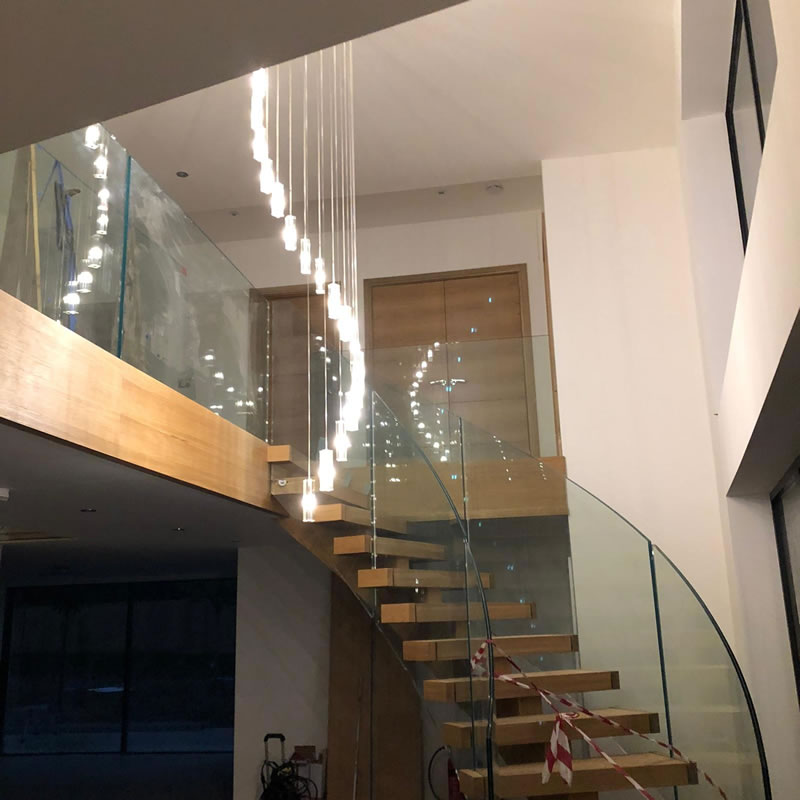
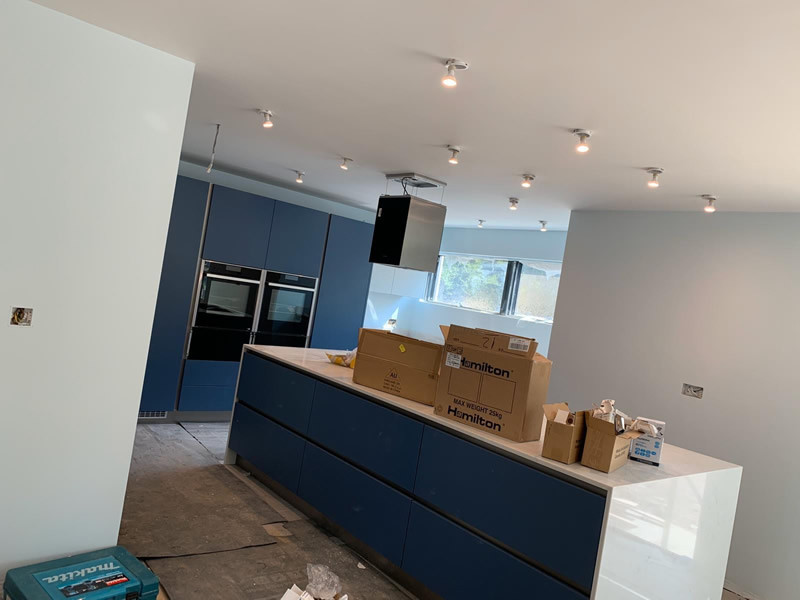
Upgrading Cabling Fitting New Lights
“Can’t rate theses guys highly enough have used them several times now – wouldn’t go anywhere else – very professional – friendly – helpful and efficient .”
Replacing Mains Powered Smoke Alarms
“Very impressed with how quickly an electrician came to visit and complete the job. They were in and out in 20 minutes and left absolutely no mess.”
Domestic Wiring Project
For all your residential wiring requirements.
DOMESTIC ELECTRIC SERVICES GALLERY
Some questions you may have………………..
How often should a house be rewired in the UK?
It’s recommended that a house be rewired every 25-30 years, especially if the wiring is old (pre-1970s) and doesn’t meet current building regulations. Regular EICRs can help determine if a full or partial rewire is necessary sooner.
What are the signs of faulty electrical wiring?
Common signs include flickering or dimming lights, burning smells from outlets or switches, buzzing sounds from outlets, frequently tripping circuit breakers or blown fuses, hot or discoloured outlets/switches, and minor electric shocks.
Can I do DIY electrical work in my UK home?
Some minor electrical work, like replacing an existing socket or light fitting with a like-for-like replacement, is generally permitted. However, “notifiable work” (such as installing new circuits, replacing a consumer unit, or any work in a bathroom or outdoors) must comply with Part P of the Building Regulations and should be carried out by a registered electrician or notified to local authority Building Control.
What's the difference between a fuse box and a consumer unit?
A fuse box uses fuses that need to be replaced after an overload. A modern consumer unit (also known as a fuse board or circuit breaker box) uses circuit breakers that can be easily reset. Consumer units offer superior protection against overloads and short circuits, often including RCDs for added safety.
What is an RCD and why is it important?
An RCD (Residual Current Device) is a life-saving safety device that automatically switches off the electricity if it detects a fault, such as current flowing down an unintended path (e.g., through a person). They protect against electric shock and reduce the risk of electrical fires. Modern consumer units typically have RCD protection on most circuits.
How do I find a qualified and reputable electrician in the UK?
Always use an electrician registered with a Government-approved scheme, such as NICEIC, ELECSA, or Part P. You can use the “Registered Competent Person Electrical” search facility online to find registered electricians in your area. Always ask for proof of their qualifications, insurance, and references.
What are the typical costs for common electrical jobs in the UK?
Costs vary based on the job, electrician’s rates, and location. For example, a socket replacement might be £25-£80, a light fixture installation £40-£120, and a consumer unit upgrade £450-£800. Full rewires can range from £1,500 to £10,000 or more, depending on the property size and complexity.
Do I need earthing and bonding in my electrical system?
Yes, earthing and bonding are crucial safety measures in almost all UK electrical installations, as required by BS 7671 (the Wiring Regulations). They protect against electric shock by providing a safe path for fault currents.
What are the regulations for outdoor electrical installations (e.g., garden lighting, sockets)?
All outdoor electrical work must be carried out by a competent contractor and comply with current wiring regulations (BS 7671) and Part P of Building Regulations. Outdoor sockets and appliances must be suitably waterproof and RCD protected. Buried cables need to be at a sufficient depth to avoid damage.
My lights are flickering, what could be the cause?
Flickering lights can be caused by a simple loose bulb, but they can also indicate more serious issues like loose wiring connections, an overloaded circuit, or problems with the main electrical supply. It’s best to have an electrician investigate to rule out any safety hazards.
Why does my circuit breaker keep tripping?
Frequent tripping of a circuit breaker usually indicates an overloaded circuit (too many appliances drawing power), a short circuit (where live and neutral wires touch), or an earth fault. An electrician can diagnose the specific cause and rectify it.
How can I reduce my electricity bill?
An electrician can advise on energy-efficient solutions such as installing LED lighting, smart thermostats, improving insulation, and ensuring your appliances are correctly wired and not drawing excessive power. They can also check for any hidden faults that might be causing increased consumption.
What should I do in an electrical emergency (e.g., burning smell, sparks)?
In an electrical emergency, immediately switch off the mains power at your consumer unit if it’s safe to do so. Do not touch any faulty appliances or wiring. If there’s a fire, call the fire brigade. Otherwise, contact a qualified emergency electrician as soon as possible.
If we haven’t answered your question please give us a call on 0800 7723124




Head Office
LKT Electrical Services
Unit 5E
Telford Road
Bicester
Oxfordshire
OX26 4LD
Unit 5E
Telford Road
Bicester
Oxfordshire
OX26 4LD