Energy Saving Light Bulbs
Energy Saving Light Bulbs
Switching to energy-saving lamps not only saves you money, but also has a positive long-term effect on the environment by reducing the use of electricity.
Many homes today use a mixture of standard light fittings and halogen downlighters or spotlights. Both types of light have low-energy alternatives:
Compact fluorescents (CFLs) – these are what most people think of as an energy-efficient light bulb. A cost-effective option for most general lighting purposes and widely available.
LED lamps– even more efficient, and the ideal replacement for halogen downlighters. They save even more money than CFLs in the long run but are a little more expensive.
Typically, lighting accounts for 8% of a household’s energy bills, amounting to around £200 p.a. in a typical 3-bedroom house. So cutting your lighting bill is one of the easiest ways to save energy and money in the home. With advances in technology, a variety of formats of LED bulbs are now available, some using as little as 1W in electricity.
Here’s an example of the savings you can make: replacing a traditional light bulb with a CFL bulb of the same brightness can save you around £3 per year, or £55 over the life of the bulb. Replacing a 50W halogen downlighter with a 6W LED can save you around £4 per year, or £70 by the time you have to replace the bulb.
At LKT Electrical Services, we work in partnership with some of the world’s top manufacturers of low energy equipment to bring you the most current, and on-trend, low-energy lighting. Contact us today to find out more on how we can help you reduce your electricity costs.
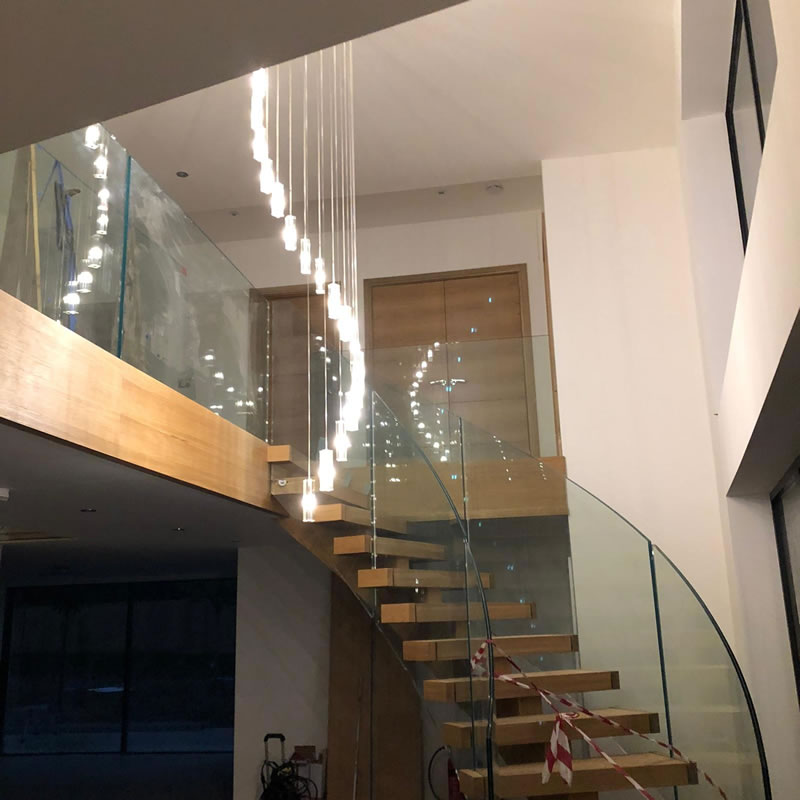
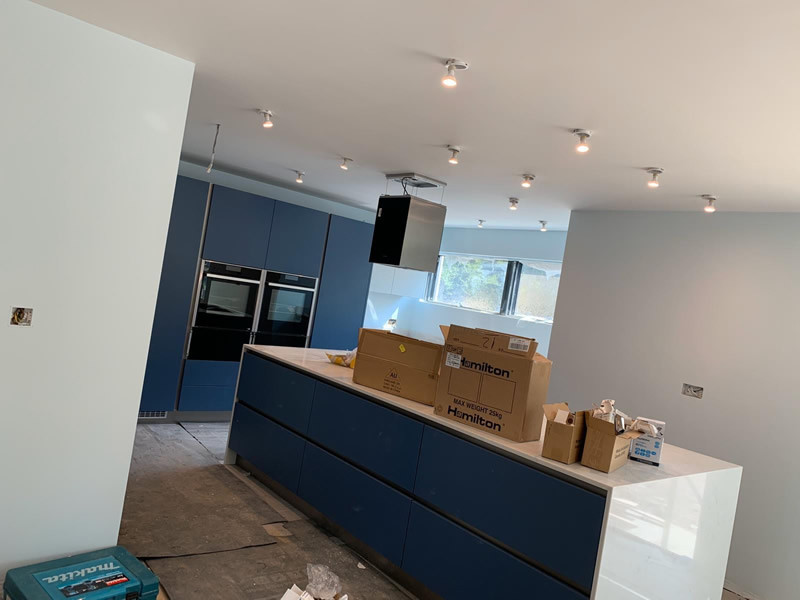
Upgrading Cabling Fitting New Lights
“Can’t rate theses guys highly enough have used them several times now – wouldn’t go anywhere else – very professional – friendly – helpful and efficient .”
Replacing Mains Powered Smoke Alarms
“Very impressed with how quickly an electrician came to visit and complete the job. They were in and out in 20 minutes and left absolutely no mess.”
Energy Saving Light Bulbs
For all your energy saving light bulb requirements.
DOMESTIC ELECTRIC SERVICES GALLERY
Some questions you may have………………..
How often should a house be rewired in the UK?
Can I do DIY electrical work in my UK home?
What are the typical costs for common electrical jobs in the UK?
What are the regulations for outdoor electrical installations (e.g., garden lighting, sockets)?
My lights are flickering, what could be the cause?
How can I reduce my electricity bill?
What should I do in an electrical emergency (e.g., burning smell, sparks)?
If we haven’t answered your question please give us a call on 0800 7723124




Head Office
Unit 5E
Telford Road
Bicester
Oxfordshire
OX26 4LD