Our EV Chargers
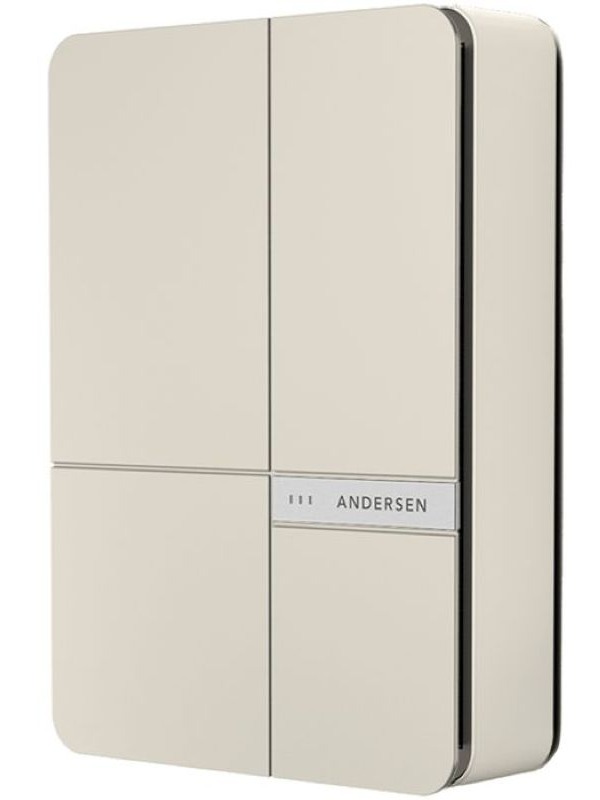


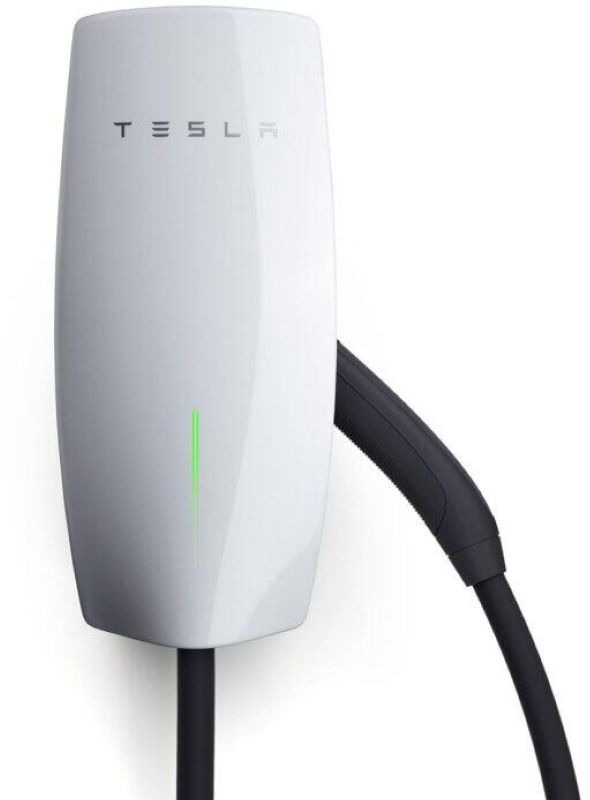
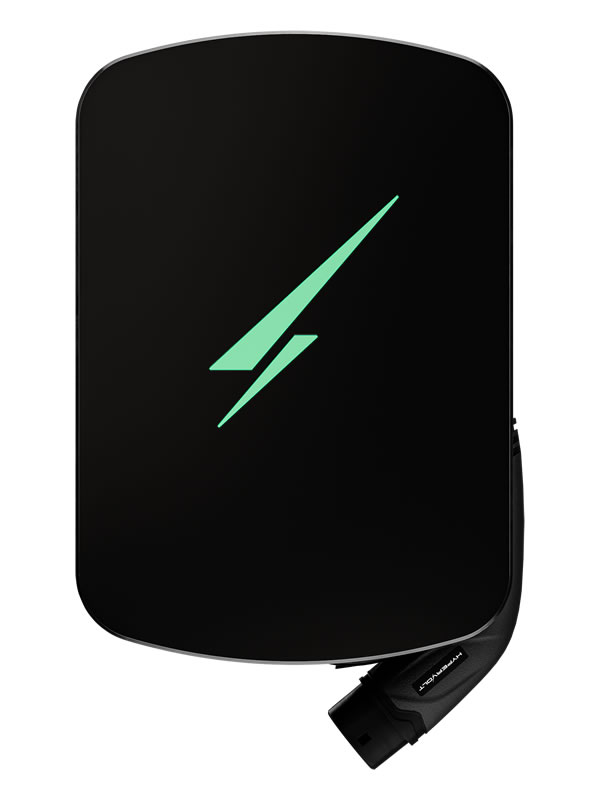

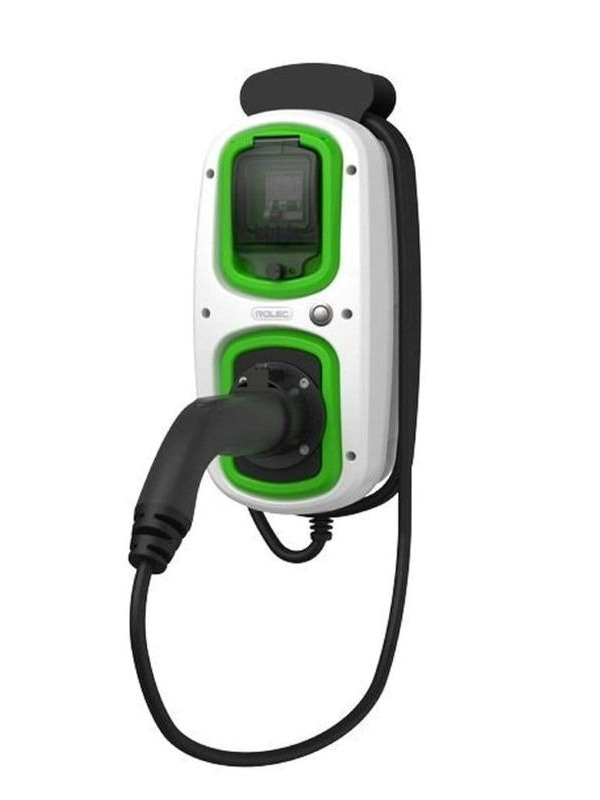
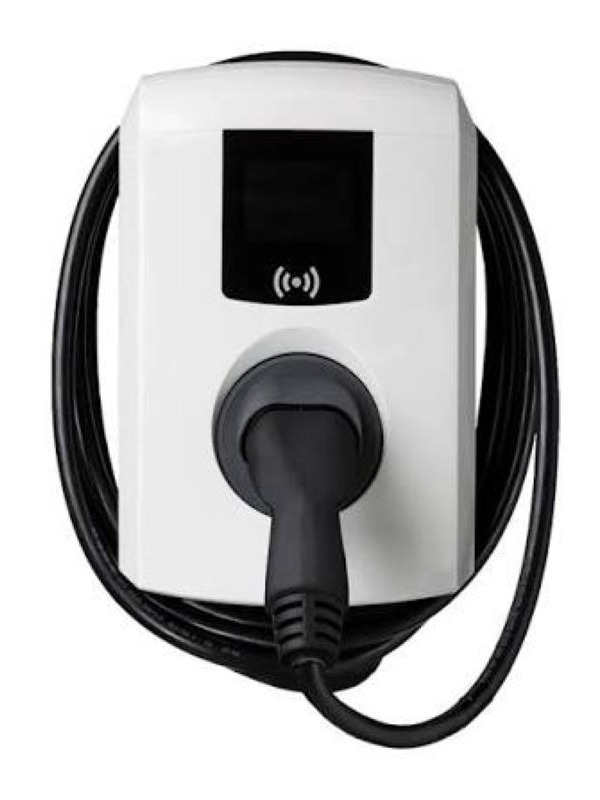





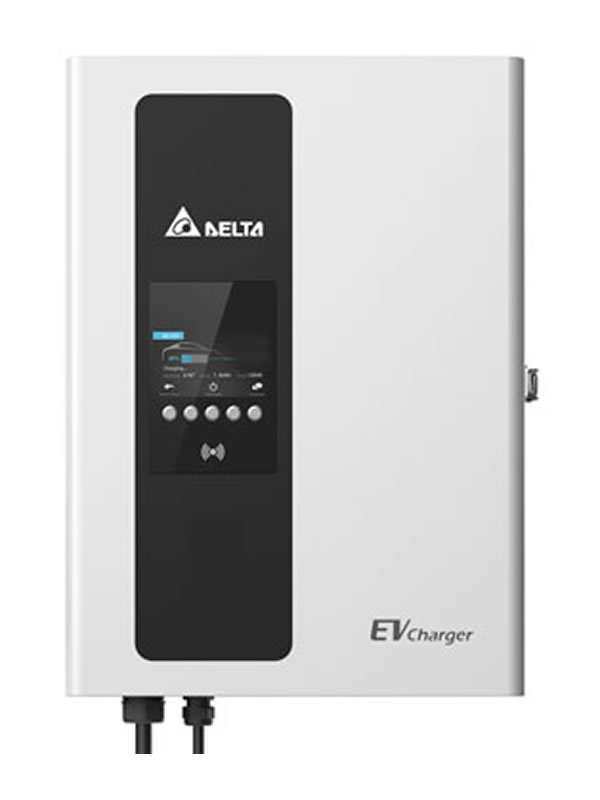
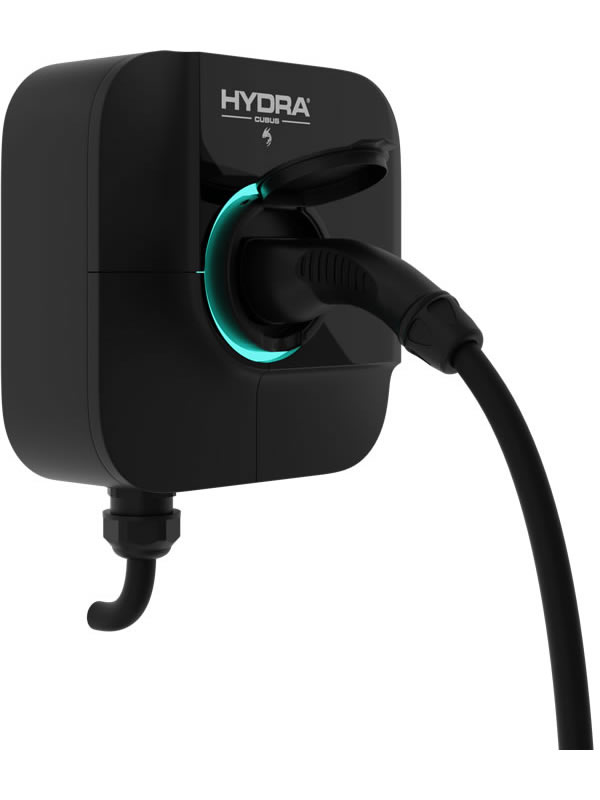

Some questions you may have....................
Do I need off-street parking to install a home EV charger?
Yes, generally, you need dedicated off-street parking, such as a driveway or garage, to have a home EV charger installed.
What types of EV chargers are available for home installation in the UK?
The most common home chargers are 7kW "fast chargers" (AC), which are suitable for most households with single-phase power. Slower 3kW options exist, and 22kW (AC) chargers are available for homes with three-phase power. Rapid (DC) chargers are primarily for public use.
How much does it cost to install an EV charging point at home in the UK?
The cost typically ranges from £400-£1500, depending on the charger type, power output, and complexity of the installation. Installation costs are often bundled with the charger price.
Are there any government grants available for home EV charger installation?
Yes, the OZEV EV Chargepoint Grant offers up to £350 off the cost of purchasing and installing an eligible charger. This grant is primarily for homeowners living in flats and those in rented accommodation with dedicated off-street parking.
How long does it take to install an EV charger?
The physical installation typically takes 2-3 hours for a standard setup. However, the entire process, including surveys, DNO (Distribution Network Operator) approval, and scheduling, can take several weeks or even months.
Do I need planning permission to install an EV charger?
Generally, no. Recent changes in regulations (from May 2025) have made it easier to install EV chargepoints without needing planning permission for both private and public installations, subject to certain conditions (e.g., height, proximity to highways, listed buildings).
Who can install an EV charging point?
Only a qualified electrician with a charge point installation (2921) qualification and registration on the Competent Person Scheme should install an EV charger. It's recommended to use an OZEV-approved installer.
What are "smart chargers" and why are they recommended?
Smart chargers allow you to schedule charging, often enabling you to charge during off-peak hours when electricity is cheaper and sometimes greener. They can also integrate with renewable energy systems like solar panels and offer features like load balancing to protect your home's fuse.
Will installing an EV charger increase my electricity bill significantly?
Yes, your electricity bill will increase, as you're consuming more power. However, by utilising smart charging features to charge during off-peak hours, you can significantly minimise the cost. Overall, running an EV is generally cheaper than a petrol/diesel car.
Do I need an earth rod for my EV charger?
Many modern EV chargers have built-in Open PEN fault protection, which negates the need for a separate earth rod. Your installer will assess your home's earthing system and determine if an earth rod or a separate PEN fault protection device is required.
What is the difference between a tethered and untethered charger?
A tethered charger has a cable permanently attached, offering convenience. An untethered charger has a socket, requiring you to plug in your own charging cable each time.
What checks are carried out before installation?
An installer will typically conduct a site survey (often online) to assess your property's electrical capacity, determine the best location for the charger, and check for Wi-Fi connectivity and cable routing requirements. They will also contact your DNO.
What if my home's electrical supply isn't sufficient?
Your installer will contact your DNO on your behalf to assess if your electricity supply needs to be upgraded (e.g., a fuse upgrade) to handle the additional load. This can add to the overall timeline.
Where is the best location to install an EV charger at home?
EV chargers are weatherproof and can be installed outdoors, typically on the side of your home by the driveway or inside a garage. The location should be close to where you regularly park your vehicle, considering the cable length.
What maintenance is required for a home EV charger?
Regular cleaning of the charger exterior and cable, inspecting for wear and damage (cracks, fraying), checking for loose connections, and ensuring proper cable management are key. If outdoors, consider protection from harsh weather.
How does an EV charger affect my property's resale value?
An EV charger can add value to your home, with some estimates suggesting £3,000-£5,000. It's becoming an increasingly important selling point as EV ownership grows, making your property more attractive to potential buyers.
Can I charge my EV with solar power if I have solar panels?
Yes, many smart chargers can integrate with solar PV systems, allowing you to use excess solar energy to charge your EV, potentially reducing your charging costs and reliance on the grid.
What are the requirements for renting tenants who want an EV charger?
Renters need to obtain permission from their landlord before installing an EV charging point, as it involves modifications to the property. Landlords may be eligible for grants themselves.
What is the role of the District Network Operator (DNO) in the installation process?
Your installer must notify your local DNO about the EV charger installation. The DNO assesses if your power supply is sufficient and provides approval, sometimes requiring an upgrade if the supply is insufficient.
How can I "future-proof" my EV charger installation?
Consider opting for smart charging technology, installing high-quality cabling and conduit that can support higher power outputs (even if you only have 7kW initially), ensuring your electrical panel has room for expansion, and exploring compatibility with Vehicle-to-Grid (V2G) technology and renewable energy integration.
If we haven't answered your question please give us a call on 0800 7723124
Head Office
LKT Electrical Services
Unit 5E
Telford Road
Bicester
Oxfordshire
OX26 4LD
Unit 5E
Telford Road
Bicester
Oxfordshire
OX26 4LD