Testing & Inspections

Testing & Inspections EICRs

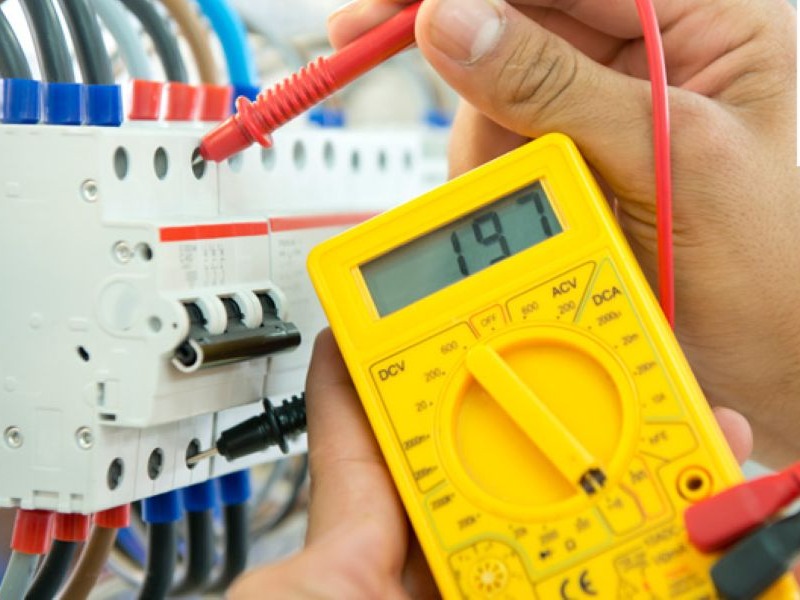
We provide full electrical testing and inspection services for our domestic, commercial and industrial customers.

There are many reasons why you might need your premises, or an electrical item, to undergo testing and inspection. It could be for a change of ownership or use, for a landlord’s inspection, for insurance purposes or just for your own peace of mind.

Whatever the reason, we provide full electrical testing and inspection services for our domestic, commercial and industrial customers.

As all electrical installations deteriorate with age and use, it’s essential that they are regularly maintained – ensuring that the safety of others is not at risk. According to the Health and Safety Executive, more than 2,000 fires a year are caused by faulty electrical appliances. So legislation exists to protect the interests of employers, employees and tenants, as well as users of portable electrical equipment, to keep electrical installations in safe working order.

Every property should have its electrical installation tested and certified regularly. A periodic electrical inspection report will reveal any potential hazards within the installation, identify any defective work, as well as highlighting any lack of earthing or bonding whilst continuing to test its fixed wiring. This includes checking fuse or circuit breaker ratings, and testing the RCDs to make sure they trip under fault conditions.

If you are a landlord, it’s your responsibility to make sure that the property you are renting out is fit for purpose, which includes electrical wiring. An electrical inspection report is required at each change of tenancy, or every 5 years whichever is sooner, to verify that the previous tenant has not damaged or changed the electrical system in any way.NICEIC Approved Electrical Contractor In Bicester

An inspection report is recommended at least every 5 years, for homeowners and businesses.

Our experienced electricians offer the follow testing and inspection services:

Part P certification

Electrical installation certificates

Minor works installation certificates

Periodic electrical inspection report

Home buyers electrical survey

Visual condition report

Portable appliance testing (PAT testing)
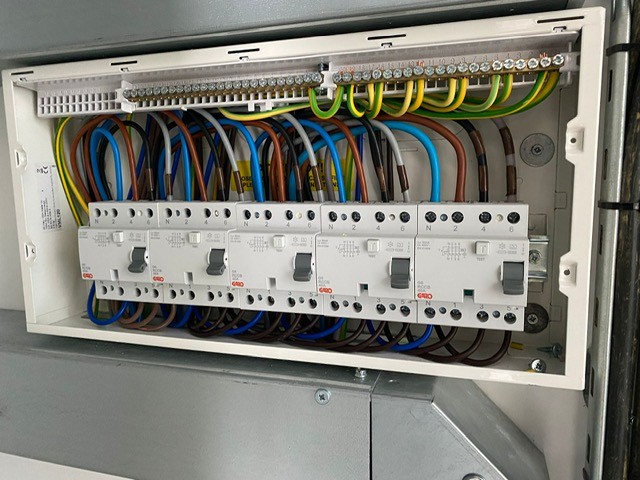
Fuseboard Replacement

“Kept well informed of all stages of testing. Made a convenient time for power to be turned off”

AYLESBURY

Sockets Installed with 2 LED downlights

“Very pleased with quality of work. Professional and polite. Would recommend.”

BICESTER

Testing & Inspection EICRs

For all your electrical and testing requirments.

DOMESTIC ELECTRIC SERVICES GALLERY

Some questions you may have………………..

What is an EICR and do I need one for my home?
An EICR (Electrical Installation Condition Report) is a formal document that assesses the safety and condition of your home’s electrical installation. While not legally required for private homeowners, it’s highly recommended every 10 years, and often insisted upon by buyers when selling a property. Landlords are legally required to have an EICR every 5 years or upon a change of tenancy.
How often should a house be rewired in the UK?
It’s recommended that a house be rewired every 25-30 years, especially if the wiring is old (pre-1970s) and doesn’t meet current building regulations. Regular EICRs can help determine if a full or partial rewire is necessary sooner.
What is an RCD and why is it important?
An RCD (Residual Current Device) is a life-saving safety device that automatically switches off the electricity if it detects a fault, such as current flowing down an unintended path (e.g., through a person). They protect against electric shock and reduce the risk of electrical fires. Modern consumer units typically have RCD protection on most circuits.
How do I find a qualified and reputable electrician in the UK?
Always use an electrician registered with a Government-approved scheme, such as NICEIC, ELECSA, or Part P. You can use the “Registered Competent Person Electrical” search facility online to find registered electricians in your area. Always ask for proof of their qualifications, insurance, and references.
Do I need earthing and bonding in my electrical system?
Yes, earthing and bonding are crucial safety measures in almost all UK electrical installations, as required by BS 7671 (the Wiring Regulations). They protect against electric shock by providing a safe path for fault currents.
Are landlords legally responsible for electrical safety in rented properties?
Yes, landlords in England are legally required to ensure electrical installations are safe at the start of a new tenancy and throughout, with an EICR being carried out every 5 years. They must provide a copy of the report to their tenants.
Is PAT testing a legal requirement for landlords?
While there’s no specific legal requirement for PAT (Portable Appliance Testing) in England or Wales, landlords are still bound by general health and safety legislation to ensure all electrical appliances they provide are safe. Many landlords choose to have PAT testing done as part of their due diligence.
How can I reduce my electricity bill?
An electrician can advise on energy-efficient solutions such as installing LED lighting, smart thermostats, improving insulation, and ensuring your appliances are correctly wired and not drawing excessive power. They can also check for any hidden faults that might be causing increased consumption.
What is an electrical safety certificate?
An electrical safety certificate is typically an EICR or an Electrical Installation Certificate (EIC) issued by a qualified electrician after they have tested and confirmed that an electrical installation or new work complies with the relevant safety standards (BS 7671). For notifiable work, a Building Regulations compliance certificate should also be issued.
What should I do in an electrical emergency (e.g., burning smell, sparks)?
In an electrical emergency, immediately switch off the mains power at your consumer unit if it’s safe to do so. Do not touch any faulty appliances or wiring. If there’s a fire, call the fire brigade. Otherwise, contact a qualified emergency electrician as soon as possible.
What are the key legal requirements for electrical safety in commercial and industrial premises in the UK?
Businesses in the UK must comply with “The Electricity at Work Regulations 1989” and the “Health and Safety at Work Act 1974”, which require all electrical systems to be maintained safely and prevent danger.
What is an Electrical Installation Condition Report (EICR) and why is it important?
An EICR is a comprehensive assessment of the safety and condition of your electrical systems. It’s crucial for ensuring safety, compliance with regulations, and often a requirement for insurance.
How often should an EICR be carried out for commercial and industrial properties?
For most commercial properties (e.g., shops, offices, schools), an EICR is recommended every 5 years. For industrial facilities, it’s typically every 3 years. Additional inspections are needed after electrical alterations, incidents, or before new occupancy.
Is electrical testing a legal requirement in the UK?
While the law doesn’t explicitly mandate testing, it does require all electrical systems to be kept safe at all times. Periodic inspection and testing, like an EICR, is the most effective means to demonstrate this.
What are the BS 7671 (IET Wiring Regulations) and why are they important?
BS 7671 (currently the 18th Edition) is the national standard for electrical installations and wiring safety in the UK. Adherence to these regulations is crucial for ensuring safety, minimizing risks (shocks, fires), and demonstrating legal compliance.
What happens if a business doesn't comply with electrical safety regulations?
Non-compliance can lead to significant risks of fire, electrocution, or injury, resulting in legal liabilities, prosecution under health and safety laws, hefty fines, and potentially invalidating insurance policies.
What are the different "codes" (C1, C2, C3) found on an EICR report?
C1 (Immediate Danger): Requires urgent attention and immediate repair to eliminate risks.

C2 (Potentially Dangerous): Remedial work is recommended to prevent future issues.

C3 (Improvement Recommended): Suggests an upgrade for better safety but is not immediately urgent.

What is Portable Appliance Testing (PAT) and how often is it needed?
PAT involves regular testing of portable electrical appliances. The frequency depends on the type of equipment and its environment, ranging from 3-monthly for high-risk industrial equipment to 24-monthly or more for low-risk items.
Who is responsible for electrical safety in a rented commercial or industrial property?
While it can depend on the lease agreement, generally the responsibility lies with the business owner/tenant to ensure compliance with health and safety legislation.
Can I perform electrical testing and inspection myself?
No, it is strongly recommended to hire a qualified and competent electrician for electrical testing and inspection, as they have the expertise, tools, and accreditations (e.g., NICEIC) to ensure safety and compliance.

If we haven’t answered your question please give us a call on 0800 7723124
NICEIC Approved Contractor logo
ISO9001 logo
CHAS logo
Checkatrade logo
Which Trusrted Trader